


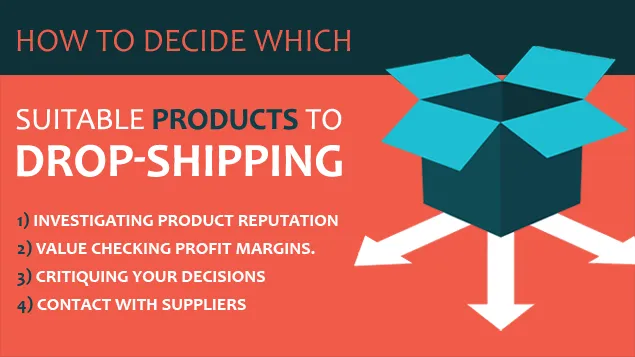
How to Choose Profitable Products for Dropshipping Success
Starting a dropshipping business can be challenging, especially when it comes to selecting the right products. Your success depends heavily on choosing products that have consistent market demand, healthy profit margins, reliable suppliers, and strong sales potential across multiple marketplaces.
Table of Contents
ToggleMany new sellers focus only on finding trending products, but successful dropshipping businesses use data-driven product research, marketplace analytics, and ecommerce automation tools to identify profitable opportunities. Whether you sell on Amazon, eBay, Shopify, Walmart Marketplace, Etsy, or other online sales channels, choosing the right products is the foundation of long-term ecommerce growth.
In this guide, we’ll explore proven strategies for identifying profitable dropshipping products while leveraging marketplace data, inventory management, and ecommerce automation tools to scale efficiently.
Investigate Product Demand and Market Trends
Before adding any product to your catalog, ask a simple question:
Does this product have consistent buyer demand?
Product research is one of the most important steps in dropshipping. Sellers should analyze market demand using platforms such as:
- Amazon Best Sellers
- eBay Trending Products
- Google Trends
- Shopify Trending Products
- Walmart Marketplace
- Etsy Best Sellers
These platforms help identify products with strong sales velocity, growing demand, and consistent customer interest.
Using marketplace data allows sellers to understand:
- Sales trends
- Product popularity
- Seasonal demand
- Customer buying behavior
- Competitive landscape
Businesses using StockKonnect’s listing management software can quickly publish winning products across multiple marketplaces while maintaining consistent product data and catalog accuracy.
Analyze Profit Margins Before Listing Products
Not every popular product is profitable. Before selecting a dropshipping product, sellers should evaluate:
- Product cost
- Supplier pricing
- Shipping costs
- Marketplace fees
- Advertising expenses
- Return rates
Compare pricing across Amazon, eBay, Shopify, Etsy, and Walmart Marketplace to understand your competitive position.
Track important metrics such as:
- Product name
- SKU
- Supplier cost
- Selling price
- Gross profit margin
- Monthly sales volume
Effective product catalog management helps businesses identify profitable products while avoiding low-margin inventory that consumes resources without generating meaningful returns.
Evaluate Supplier Reliability and Fulfillment Performance
Supplier performance directly impacts customer satisfaction and seller ratings.
When evaluating suppliers, consider:
- Order fulfillment speed
- Inventory availability
- Product quality
- Shipping reliability
- Return handling
- Communication responsiveness
Popular supplier networks include:
- AliExpress
- CJ Dropshipping
- Zendrop
- Spocket
- SaleHoo
Reliable suppliers reduce order delays, inventory shortages, and customer complaints.
StockKonnect’s order management software helps sellers streamline order processing and track fulfillment activities across multiple sales channels from a centralized dashboard.
Assess Competition and Unique Selling Proposition (USP)
Before investing in a product category, determine what makes your offer different.
Ask yourself:
- What problem does this product solve?
- Why would customers buy from me instead of competitors?
- Is the market oversaturated?
- Can I offer better pricing, bundles, or customer service?
- Does the product support long-term demand?
Products with a clear unique selling proposition (USP) generally perform better than generic items competing solely on price.
Use Ecommerce Automation to Scale Product Operations
As your dropshipping business grows, managing listings, inventory, and orders manually becomes increasingly difficult.
Successful sellers rely on:
- Listing Management Software
- Inventory Management Software
- Order Management Software
- Marketplace Integrations
- Ecommerce Automation Tools
StockKonnect helps sellers automate product listings, synchronize inventory across marketplaces, manage orders efficiently, and maintain accurate product data across Amazon, eBay, Shopify, Walmart Marketplace, and Etsy.
This reduces manual workload, prevents overselling, improves inventory visibility, and creates a scalable multichannel ecommerce operation.
Final Thoughts
Choosing profitable dropshipping products requires more than simply following trends. Successful ecommerce businesses combine product research, supplier evaluation, marketplace analysis, inventory synchronization, and ecommerce automation to build sustainable growth.
By leveraging StockKonnect’s listing management software, inventory management software, order management software, and eBay and Amazon marketplace integrations, sellers can identify winning products faster, automate operations, and scale their dropshipping business across multiple marketplaces with confidence.
Frequently Asked Questions
How do I choose profitable dropshipping products?
Start by analyzing market demand, competition, supplier reliability, shipping costs, and profit margins. Use platforms such as Amazon Best Sellers, Google Trends, eBay, and Shopify to validate product demand before listing products.
What are the best platforms for dropshipping product research?
Popular platforms include Amazon Best Sellers, Google Trends, eBay Marketplace, Walmart Marketplace, Etsy, AliExpress, CJ Dropshipping, Zendrop, and SaleHoo.
Why is inventory synchronization important for dropshipping?
Inventory synchronization helps prevent overselling and stock discrepancies across multiple marketplaces. It ensures inventory levels remain accurate in real time across all connected sales channels.
How can ecommerce automation help dropshipping businesses?
Ecommerce automation reduces manual work by automating product listings, inventory updates, order processing, and marketplace integrations. This improves efficiency and scalability.
How does StockKonnect support dropshipping sellers?
StockKonnect provides listing management software, inventory management software, order management software, and marketplace integrations that help sellers manage products, synchronize inventory, process orders, and scale across multiple marketplaces.