


What Is Multichannel Ecommerce?
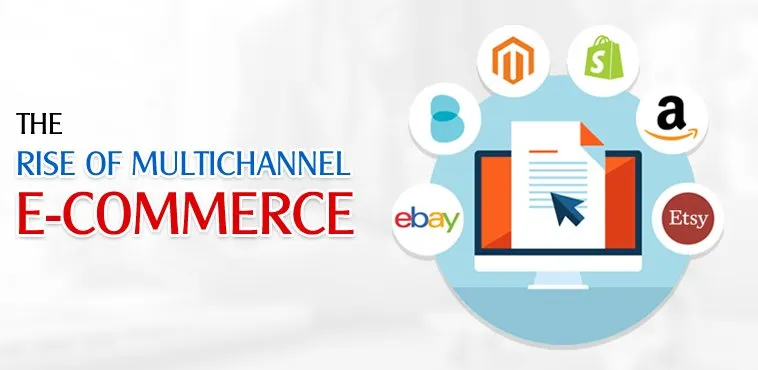
Multichannel ecommerce is the practice of selling products across multiple sales channels, including Amazon, eBay, Shopify, Walmart, WooCommerce, Etsy, social commerce platforms, and branded online stores. Instead of relying on a single marketplace, businesses expand their reach by managing product listings, inventory, orders management, and customer interactions across multiple channels simultaneously.
Table of Contents
ToggleAs ecommerce continues to evolve, multichannel selling has become a critical growth strategy for online retailers. Modern consumers interact with brands through multiple touchpoints before making a purchase. As a result, businesses must provide a consistent shopping experience across marketplaces, online stores, mobile devices, and social media platforms.
However, managing multiple channels introduces operational challenges such as inventory synchronization, order management, listing consistency, product catalog management, SKU tracking, pricing control, and fulfillment coordination. Without the right systems in place, sellers risk overselling, stock discrepancies, delayed shipments, and poor customer experiences.
This is why businesses increasingly rely on multichannel ecommerce management solutions to centralize operations and automate repetitive processes.
The Rise of Multichannel Ecommerce Stores
Consumer shopping behavior has changed dramatically over the last decade. Buyers no longer depend on a single marketplace or website to discover products. Instead, they compare products across Amazon, eBay, Walmart, Shopify stores, social media platforms, and search engines before making a purchasing decision.
This shift has created enormous opportunities for ecommerce businesses. By selling across multiple channels, businesses can increase product visibility, reach new audiences, reduce dependence on a single platform, and generate more sales opportunities.
Multichannel selling is no longer limited to enterprise brands. Small and medium-sized businesses can now compete effectively using ecommerce automation software, marketplace integrations, and inventory management systems.
Benefits of Multichannel Ecommerce Management
Increased Product Visibility
Selling on multiple marketplaces exposes your products to a much larger audience. Instead of relying on one sales channel, businesses can gain visibility across Amazon, eBay, Walmart, Shopify, WooCommerce, and other ecommerce platforms.
Higher Revenue Opportunities
More channels create more opportunities to generate sales. Customers prefer different marketplaces, and expanding your presence allows you to capture demand wherever buyers prefer to shop.
Reduced Business Risk
Relying on a single marketplace can be risky. Algorithm updates, policy changes, account restrictions, or increased competition can negatively impact revenue. Multichannel selling diversifies risk and creates more stable revenue streams.
Improved Brand Awareness
Consistent visibility across multiple channels strengthens brand recognition and customer trust.
Common Challenges of Managing Multiple Sales Channels
Inventory Synchronization
One of the biggest challenges in multichannel ecommerce is maintaining accurate inventory levels across all marketplaces.
Without real-time inventory synchronization, businesses risk:
- Overselling products
- Stock discrepancies
- Order cancellations
- Poor customer experiences
Order Management Complexity
As sales increase across channels, managing orders manually becomes difficult. Sellers must track orders from multiple marketplaces, process shipments, update tracking information, and manage returns efficiently.
Listing Management Issues
Maintaining consistent product information across channels can be time-consuming. Product titles, descriptions, images, attributes, and pricing must remain accurate and updated across every marketplace.
Product Catalog Management
Large product catalogs require centralized management to ensure consistency and accuracy across all sales channels.
Why Inventory Management Is Critical for Multichannel Success
Effective inventory management directly impacts customer satisfaction, seller performance, and profitability.
Businesses that lack inventory visibility often experience:
- Stockouts
- Overselling
- Lost sales
- Fulfillment delays
Inventory Management Software helps businesses maintain accurate stock levels, synchronize inventory in real time, and improve operational efficiency across multiple channels.
How Order Management Improves Operational Efficiency
Order Management Software centralizes order processing across multiple marketplaces.
Benefits include:
- Centralized order visibility
- Automated order routing
- Faster fulfillment
- Improved shipping accuracy
- Better customer experience
By automating order workflows, businesses can reduce manual work and scale operations more effectively.
The Importance of Listing Management Across Marketplaces
Product listings play a critical role in visibility and conversions.
Effective Listing Management helps businesses:
- Maintain consistent product information
- Optimize product titles and descriptions
- Improve marketplace visibility
- Increase conversion rates
- Reduce listing errors
Multi-channel listing software simplifies the process of updating listings across multiple marketplaces from a single dashboard.
Marketplace Integrations and Ecommerce Automation
Marketplace integrations connect ecommerce platforms, marketplaces, and operational systems into a unified ecosystem.
Integrations allow businesses to:
- Synchronize inventory automatically
- Manage orders centrally
- Update product listings in bulk
- Automate product feeds
- Improve reporting and analytics
Ecommerce Automation eliminates repetitive tasks and allows teams to focus on growth initiatives.
Choosing the Right Multichannel Ecommerce Management Solution
When evaluating software, businesses should look for:
- Inventory Management Software
- Order Management Software
- Listing Management Software
- Marketplace Integrations
- Product Feed Management
- Inventory Synchronization
- SKU Management
- Ecommerce Automation
- Reporting and Analytics
The right platform should help streamline operations while supporting future growth.
How StockKonnect Helps Businesses Manage Multichannel Ecommerce
StockKonnect is a powerful multichannel ecommerce management platform designed to help businesses simplify operations and scale efficiently.
Key capabilities include:
- Inventory Management
- Order Management
- Listing Management
- Inventory Synchronization
- Product Feed Management
- Marketplace Integrations
- Ecommerce Automation
- SKU Management
- Catalog Management
With integrations for Amazon, eBay, Shopify, Walmart, WooCommerce, and other leading marketplaces, StockKonnect provides a centralized solution for managing ecommerce operations from a single dashboard.
Final Thoughts
Multichannel ecommerce continues to reshape the retail landscape. Businesses that successfully manage inventory, orders, listings, and marketplace integrations are better positioned to increase visibility, improve customer satisfaction, and drive sustainable growth.
By implementing the right multichannel ecommerce management strategy and leveraging ecommerce automation tools, businesses can streamline operations, reduce manual workload, and maximize sales opportunities across every channel.